
Blog
FPV Equipment Explained: FPV Cameras, Accessories & Parts for a Better Flying Experience
Mar
FPV (First Person View) flight is more than a hobby – it’s an experience. When you fly with FPV equipment, it’s more than just controlling the drone – it’s seeing the world as the drone sees it. This can be racing through gates, doing some freestyle tricks, or doing longer range flights – the equipment you have with you makes all the difference. To create a smooth and stable FPV system, it’s necessary to know the working of FPV equipment, the significance of FPV cameras, and the importance of using the right FPV accessories & parts.
What Do We Mean by FPV Equipment?
FPV is the whole equipment that sends live feeds from the drone or RC vehicle directly to either the goggles or screen. Real-time video enables control accuracy, quick reactions, and a highly immersive experience when flying.
A typical FPV setup includes:
- An FPV camera to capture live video
- A video transmitter (VTX) to send the signal
- FPV goggles or a monitor to view the feed
- A video receiver to process the signal
- Antennas and power components for stability
All these parts must work together smoothly. Even one weak component can affect video quality or signal range.
FPV Camera: Seeing Through Your Drone’s Eyes
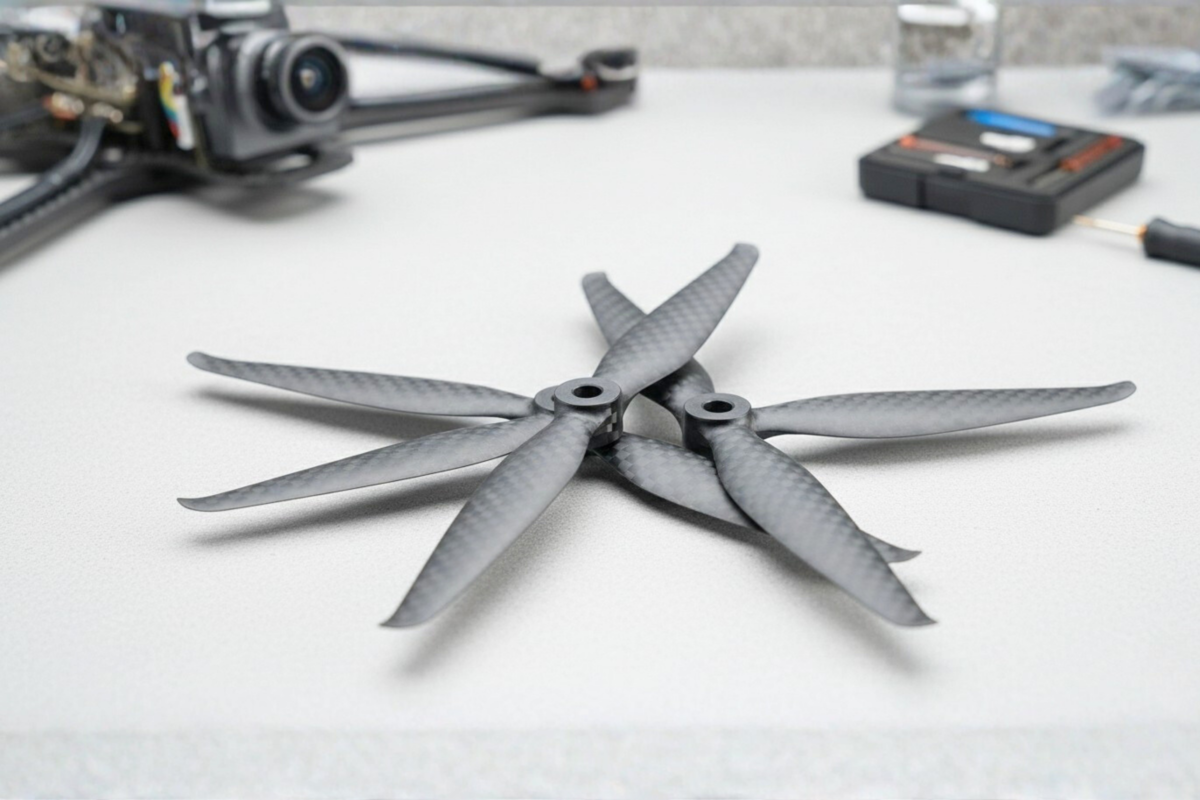
The FPV camera is the most important part of the entire system. Unlike action cameras, FPV cameras are designed for speed, not beauty. They focus on clear, low-latency video to let pilots react in an instant, even when flying.
A good FPV camera typically has:
- Ultra-low latency for real-time response
- Wide dynamic range: to handle bright sunlight and shade.
- Wide field of view for better awareness
- Lightweight design to maintain flight performance
FPV cameras are commonly used in racing drones, freestyle builds, indoor drones, and long-range FPV systems. Analog FPV cameras remain popular due to affordability, while digital FPV cameras provide sharp HD visuals for professional flying.
Why FPV Accessories & Parts Matter
FPV accessories & parts might look unimportant, but their role in the performance and reliability offered by FPV systems cannot be overstated. FPV components help the pilot personalize, upgrade, or service their FPV system according to their personal FPV flying styles. Some essential FPV accessories & parts include:
- FPV antennas for better range and signal penetration
- Video transmitters (VTX) for stable video transmission
- Receiver modules for clear signal reception
- Camera mounts and vibration dampers
- Cables, connectors, and power filters
High-quality FPV accessories reduce interference, improve video clarity, and help prevent signal dropouts during flight.
Analog Vs Digital FPV Systems
In choosing FPV components, you have to decide whether you will go with analog or digital components. Both have their advantages, which vary depending on your FPV flights. Among the most significant issues with Analog FPV systems are:
- Latency as low as it gets
- Reasonable prices
- Wide compatibility with FPV accessories & parts
- Strong performance in racing environments
Among many other features, digital FPV systems are unique in:
High-definition display quality
- Improved image clarity and detail
- Advanced features like recording and telemetry
- Ideal for cinematic and commercial FPV use
Your choice should depend on your budget, flying purpose, and preference for either video quality or responsiveness.
How to Choose the Right FPV Equipment
Choosing FPV equipment doesn’t have to be complicated. Focus on reliability and compatibility rather than just specifications.
Before buying, consider:
- Your flying style (racing, freestyle, long-range)
- Compatibility between FPV camera, VTX, and goggles
- Weight and power consumption
- Availability of spare FPV accessories & parts
Beginners should start with simple, proven setups, while experienced pilots can explore advanced and customizable systems.
Where FPV Equipment Is Used
FPV equipment is widely used beyond hobby flying. Its real-time video capabilities make it valuable in many applications:
- Drone racing and competitions
- Freestyle and acrobatic flying
- Aerial inspections and training
- FPV robotics and RC vehicles
- Search and rescue simulations
The flexibility of FPV cameras and accessories enables FPV technology to expand across various industries. Keeping Your FPV Gear in Good Shape
Keeping Your FPV Gear in Good Shape
Proper care keeps your FPV equipment running better for longer.
Simple best practices include:
- Cleaning of FPV camera lenses is recommended regularly. The checks of antennas and wiring before the flight
- Monitoring transmitter heat levels
- Securing all FPV accessories & parts tightly
- A small check will prevent a big problem in the air.
Conclusion
FPV equipment enables you to experience the reality of flying. FPV camera selection, FPV accessories & parts – everything has an impact on FPV flying. If you are planning to buy one for the first time or if you are upgrading your equipment, it is highly recommended that you choose high-quality FPV equipment. This enables you to have smoother flights, improved visuals, and increased confidence while FPV flying.
